
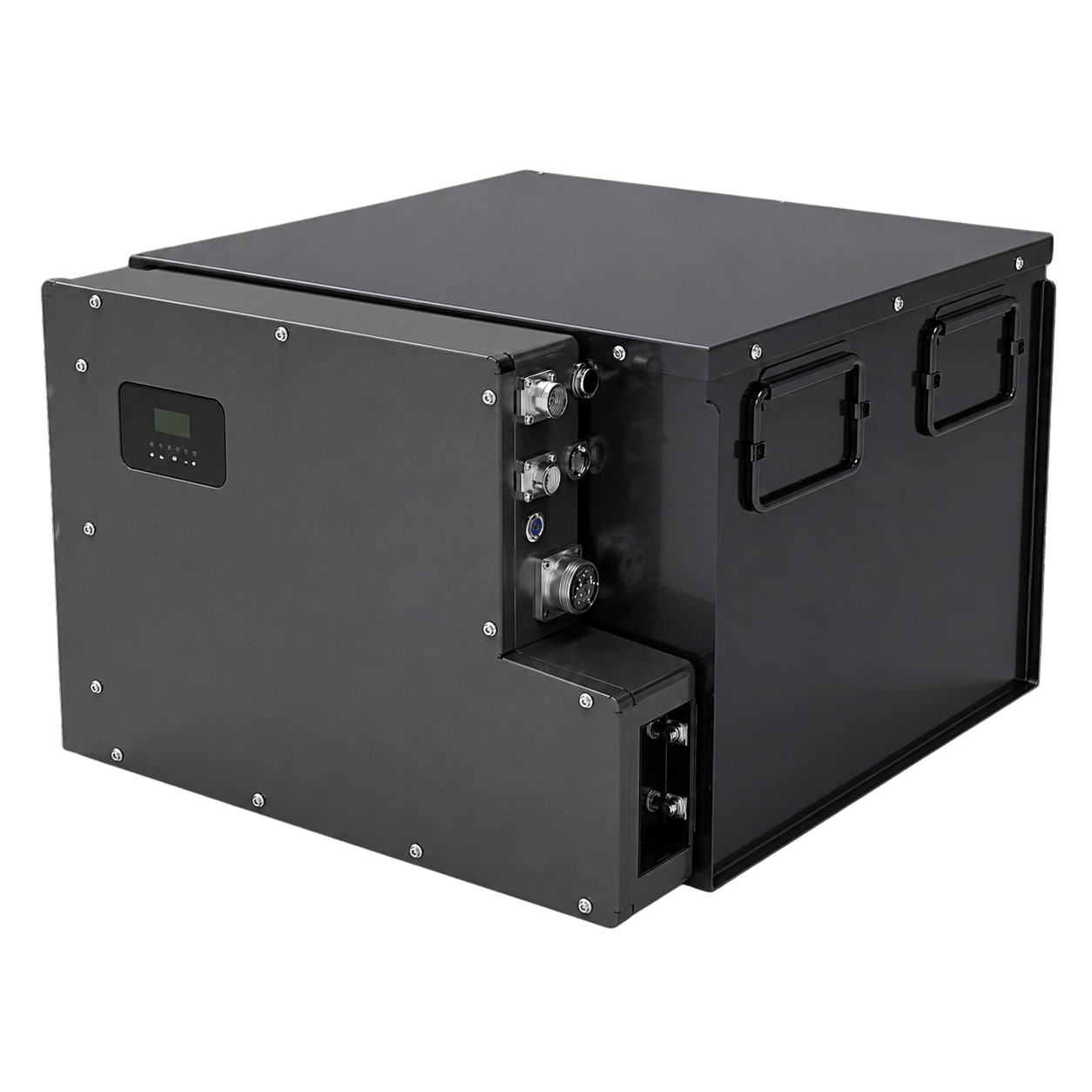
Technology
Two Sodium Technologies. One Practical Energy Platform.
Zynavex works with two sodium-based battery technologies: NFPP sodium-ion and SNC sodium-nickel chloride. We do not force one chemistry into every project. Instead, we select the right platform based on duty profile, ambient conditions, backup duration, maintenance strategy, and lifecycle priorities. This gives customers a more practical path to safe, long-life energy storage across telecom, residential, commercial, industrial, and utility applications.
Why Sodium-Based Storage
Sodium-based energy storage offers a strong alternative for projects that value safety, operating resilience, and long service life. At Zynavex, we focus on sodium chemistries suited to real deployment conditions, including hot climates, demanding backup duty, daily cycling, and mission-critical infrastructure.
Key advantages of sodium-based systems
- Safety-first chemistry selection
- Wide operating adaptability
- Long service life for lifecycle-focused projects
- Scalable deployment from rack batteries to utility-scale ESS
- Reduced dependence on constrained material chains
NFPP Sodium-Ion Technology
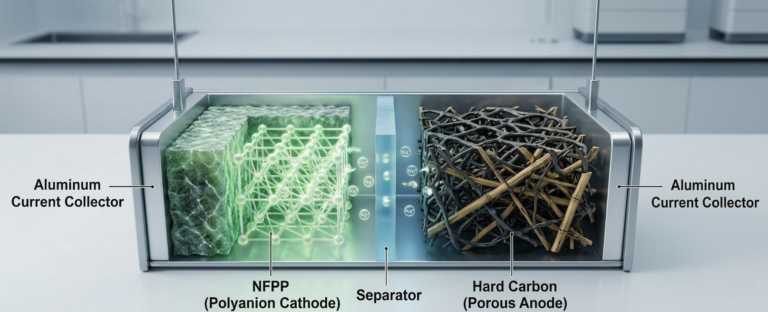
NFPP sodium-ion is a high-performance sodium battery chemistry designed for applications that need fast response, strong rate capability, good thermal resilience, and flexible deployment. It is especially suitable where modularity, cycling performance, and broad operating adaptability matter.
Why NFPP
NFPP sodium-ion is a high-performance sodium battery chemistry designed for applications that need responsive power delivery, strong cycling capability, thermal resilience, and flexible deployment. It is especially suitable where modularity, repeated cycling, and broad operating adaptability matter.
NFPP Technical Strengths
1. High power capability
NFPP sodium-ion is well suited for short-duration backup, pulse discharge, and high-rate operation. Its electrochemical characteristics support strong rate performance, making it attractive for responsive energy applications that require fast power delivery.
2. Low-Temperature Discharge Performance
NFPP can retain meaningful usable capacity under extreme cold conditions, with performance characteristics that support operation in low-temperature environments. This makes the chemistry attractive for cold-region backup systems and wider-climate deployment planning.
3. 0V Tolerance and Over-Discharge Resilience
One notable advantage of NFPP is its tolerance to deep discharge conditions, including 0V discharge behavior in controlled test contexts. This can help reduce risk in off-grid, irregular charging, or over-discharge scenarios, while simplifying practical system recovery.
4. High-Temperature Resilience
NFPP is also suited to demanding thermal environments. Zynavex NFPP-based products support elevated discharge temperature windows, making the chemistry practical for hot-climate deployment and high-ambient operating conditions.
5. Strong Safety Positioning
NFPP offers strong safety-oriented performance under demanding abuse-test conditions, supporting projects where operational stability and safe deployment are key priorities.
Best-Fit Applications for NFPP
- Telecom backup and hybrid power
- Residential solar storage
- Commercial & industrial ESS
- Utility and grid-support storage
- Fast-response modular deployments
NFPP at a Glance
NFPP is the right choice when your project values:
- Fast response and high rate capability
- Repeated cycling performance
- Strong cold-weather discharge behavior
- Good high-temperature adaptability
- Modular system scalability
SNC Sodium-Nickel Chloride Technology
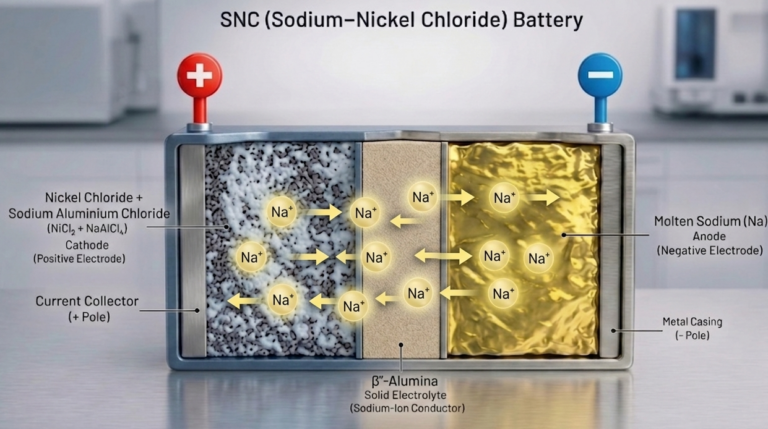
SNC sodium-nickel chloride is best suited to projects that prioritize reliability-first backup, long service life, harsh-environment operation, and mission-critical performance where uptime matters more than trend-driven chemistry selection.
Why SNC
SNC uses an inorganic salt-and-metal electrochemical system that is well suited to long-life backup power in demanding environments. It is a strong fit for critical infrastructure and sites where operating simplicity, safe performance, and long-term reliability matter more than aggressive daily cycling.
SNC Technical Strengths
1. Intrinsic Safety
SNC is based on inorganic salts and metals, with non-flammable chemistry characteristics that make it especially attractive for critical-power environments where safety is a major consideration.
2. Safe Failure Behavior
SNC has a fundamentally different internal architecture from conventional lithium-based systems, giving it strong positioning for customers who prioritize safe and controlled behavior under fault conditions.
3. Long Life and Long Float Service
SNC is well suited for long-life standby applications, with strong potential for extended float service and long operational life in backup-focused systems.
4. Wide Operating Temperature Range
SNC is designed for wide-temperature operation and is particularly attractive for harsh ambient conditions, including hot environments and infrastructure sites where thermal stability matters.
5. Recyclability and Stable Material Base
SNC is based on salts and metals, with a recyclable material profile and a stable raw-material foundation that supports long-term technology confidence.
Best-Fit Applications for SNC
- Industrial UPS and critical backup
- Remote telecom and infrastructure
- High-temperature and harsh-environment sites
- Data centers and core communications backup
- Long-life standby systems
SNC at a Glance
SNC is the right choice when your project values:
- Reliability-first backup power
- Intrinsic non-flammable chemistry
- Long standby and float-life performance
- Low-maintenance operation
- Wide ambient temperature adaptability
NFPP vs SNC: Which Chemistry Fits Your Project?
Both technologies are sodium-based, but they serve different priorities.
Choose NFPP when you need:
- Daily cycling
- Fast response
- Modular expansion
- Strong rate performance
- Flexible deployment across residential, telecom, C&I, and grid applications
Choose SNC when you need:
- Long-life standby power
- Harsh-environment operation
- Low-maintenance backup
- Reliability-first infrastructure support
- Mission-critical industrial and remote applications
At Zynavex, we match chemistry to duty profile instead of forcing a one-size-fits-all answer.
Real-World Selection Approach
We typically evaluate:
- Backup duration
- Charge/discharge frequency
- Ambient temperature
- Maintenance access
- Space constraints
- Required service life
- Power profile and surge behavior
- Project economics over lifecycle, not just upfront cost
This allows us to recommend the right sodium-based platform for each project, whether the priority is modular daily-use storage or long-life mission-critical backup.
Engineering Support and Integration
Zynavex supports customers from early-stage selection through system configuration. Depending on the project, this may include:
- Chemistry selection guidance
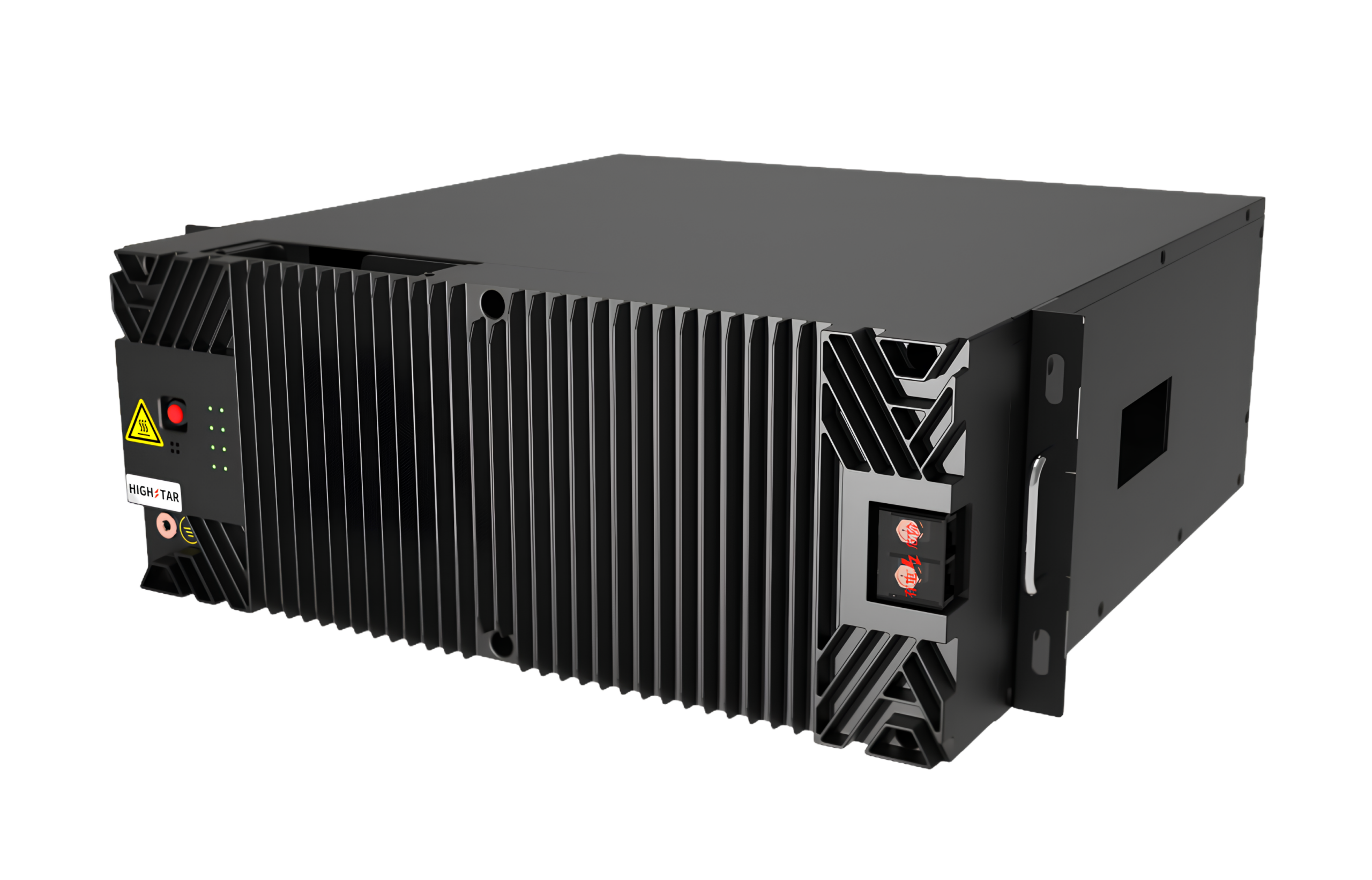
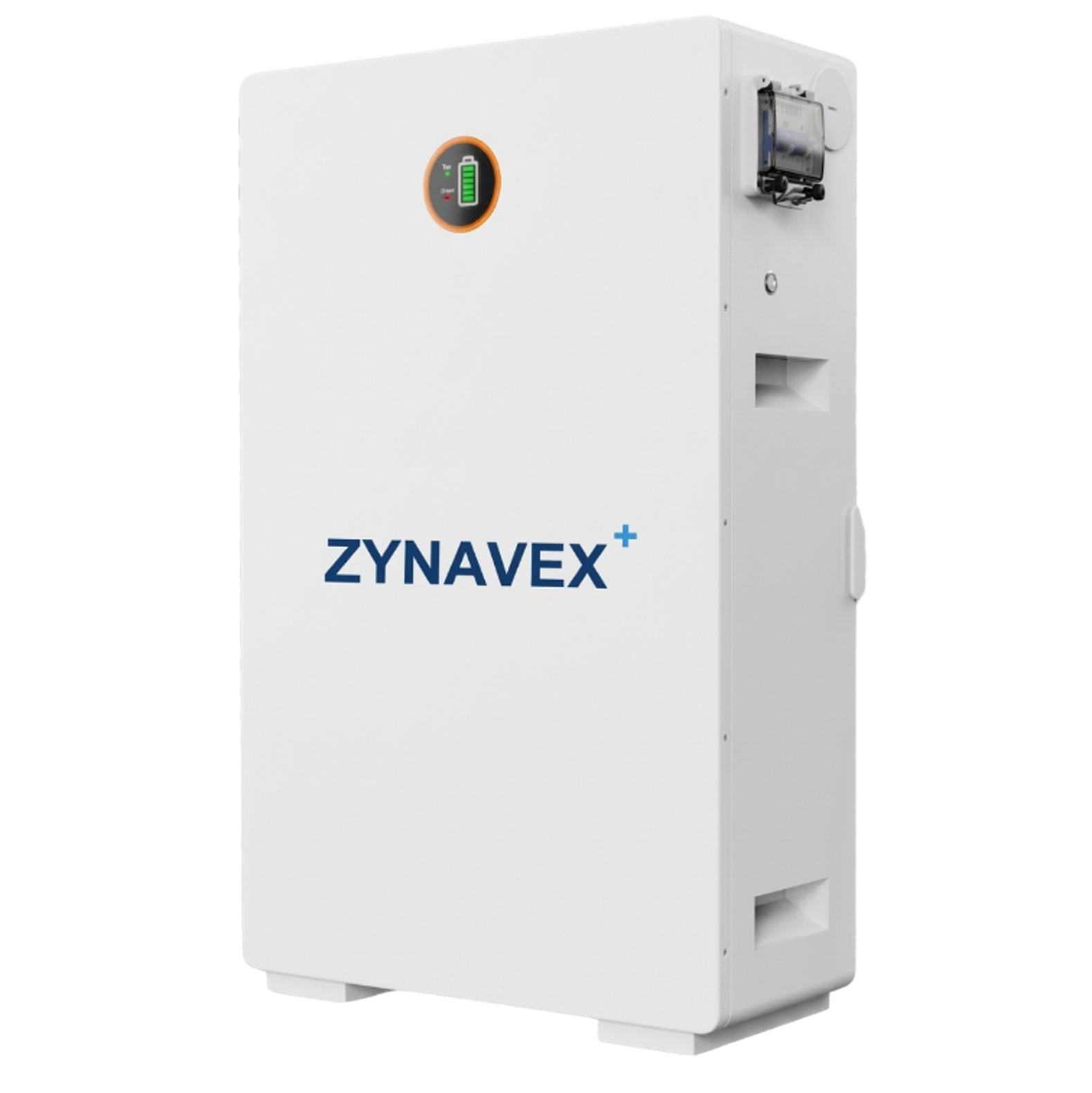
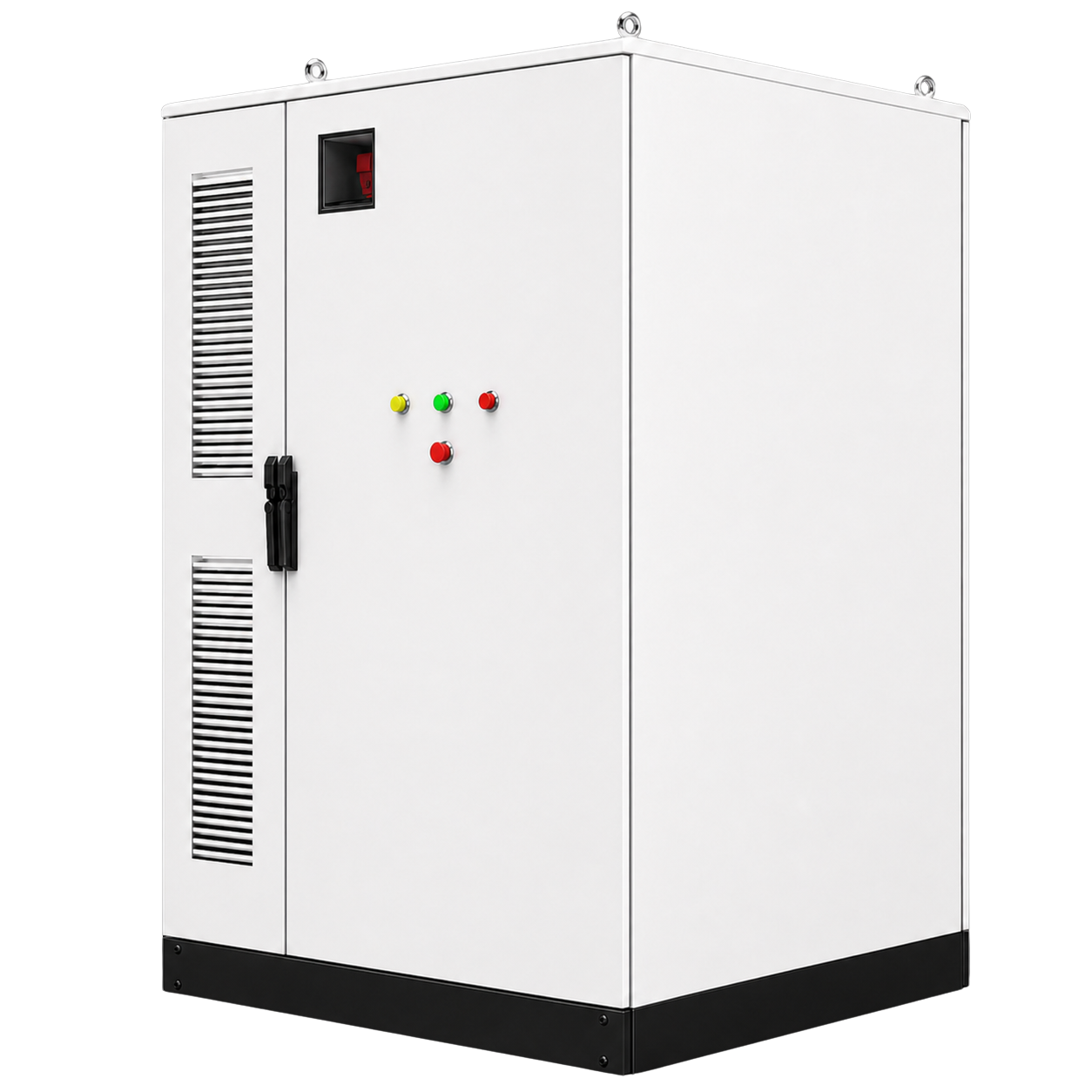
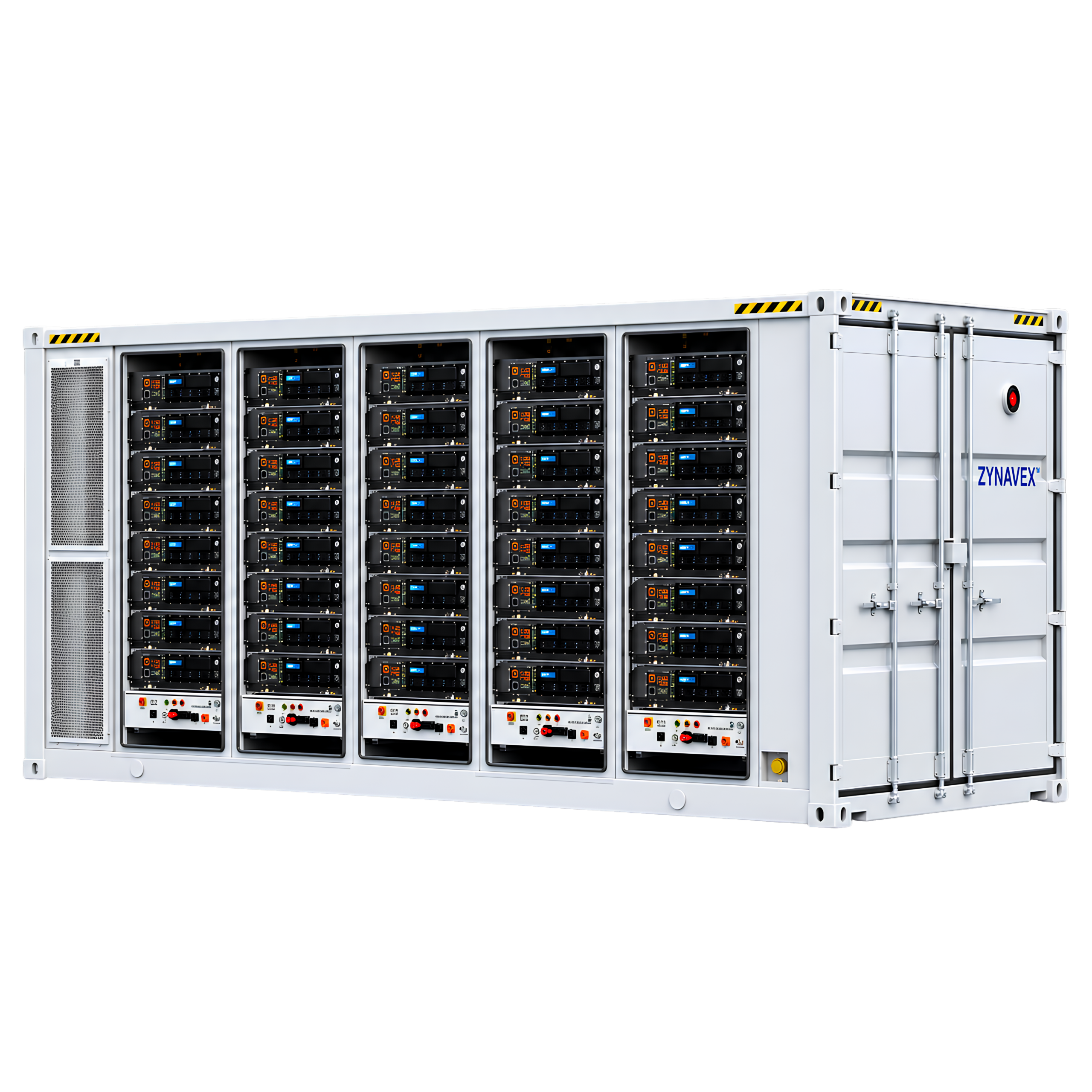
- Rack, cabinet, or container system direction
- Temperature and environment suitability review
- Backup duration sizing
- Integration support for telecom, ESS, UPS, and industrial use cases
Talk to Zynavex
Tell us your application, runtime target, power profile, and site conditions. Zynavex will help identify whether NFPP or SNC is the better fit for your project.